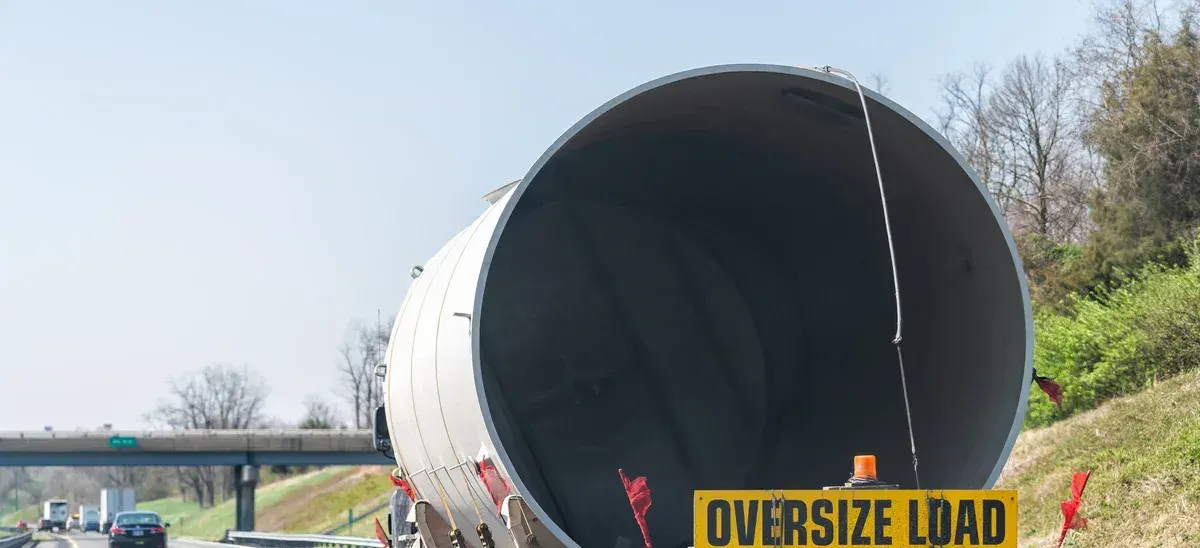
Road where it fits. Water where it doesn't.
Kadeborg plans and moves oversized machines, modules and transformers from factory to foundation, switching to inland waterways when the road runs out of height, width or weight.
- Up to 300 t
- on modular road combinations
- Up to 1,500 t
- per inland vessel or deck pontoon
- NL · BE · DE
- planning area for road and water legs
- One plan
- from factory floor to foundation
Indicative fleet figures for a fictional company.
Four disciplines, one route plan.
Each service can be booked on its own. Most heavy moves need more than one, planned as a single sequence with every handover agreed in advance.

Exceptional road transport
Low loaders, modular trailers and SPMTs for oversized and heavy single pieces.
Road transport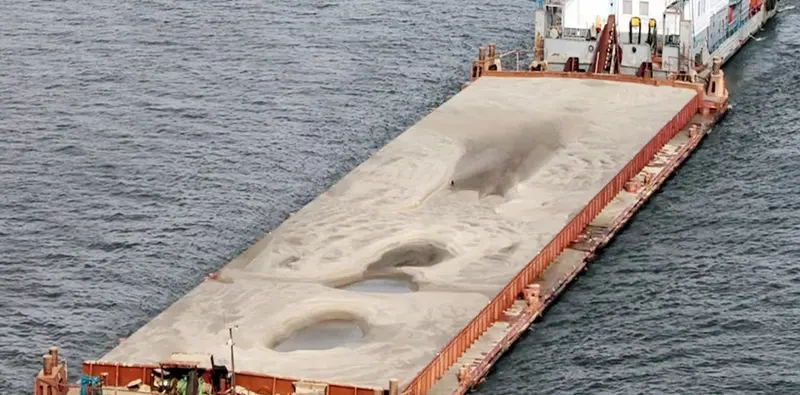
Barge and inland shipping
Deck pontoons and Ro-Ro barges for cargo the road cannot take.
Barge transport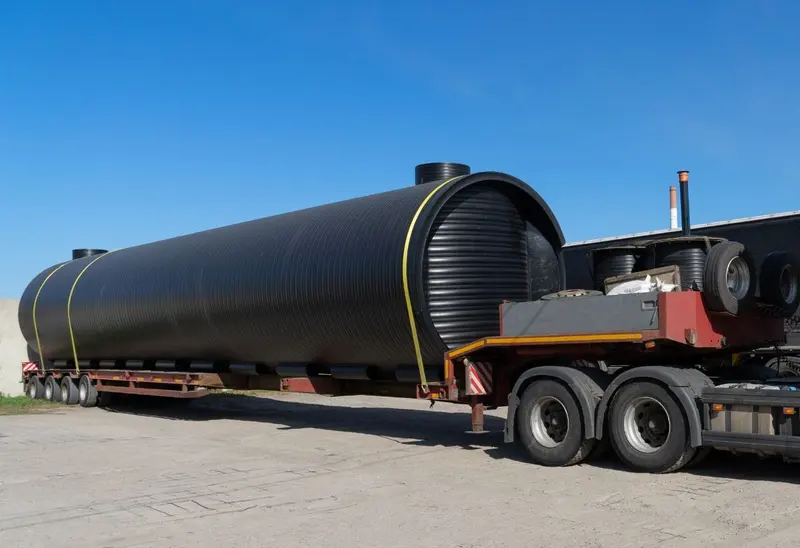
Multimodal project cargo
One plan from factory to foundation, including transhipment at the quays.
Multimodal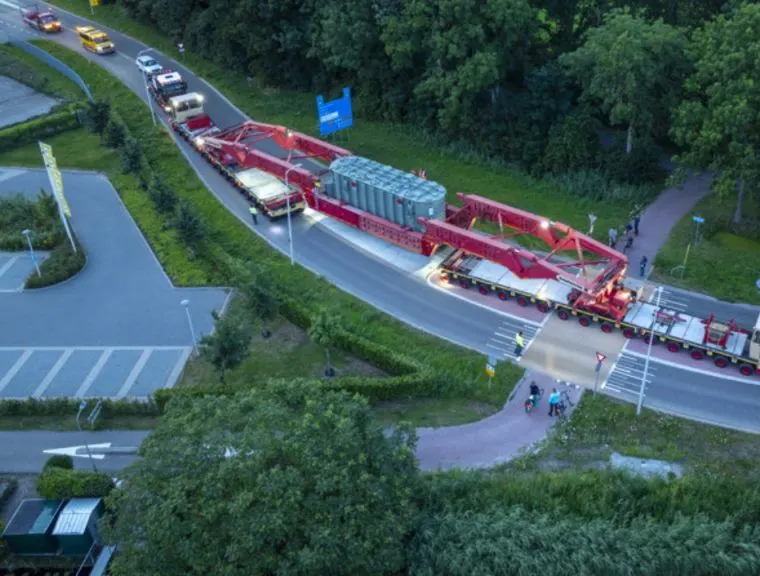
Engineering and permits
Route surveys, swept path checks, permit applications and escort planning.
EngineeringThree answers to one question: can it go by road?
Every request starts with the same data: dimensions, weight, pieces, lifting points and the window. The categories below use demonstration thresholds for this concept, not legal limits.
The road is rarely the whole route.
Bridges, roundabouts and overhead lines limit what a trailer can carry. Inland waterways reach deep into the Netherlands, Belgium and Germany, often closer to a site than people expect. A short road leg to a quay, a barge leg, and a short leg from quay to site can replace a long road permit route.
We make that decision on data, not habit. Sometimes the answer is road all the way. The request form shows which route type fits before anyone calls you.
A 118 t transformer, three legs, one window.
A worked example of how we plan a transformer delivery: why the road alone did not fit, where the barge leg starts and ends, and how the lifts at both quays are scheduled. The project is fictional and shown as a demonstration.

What we need to plan your move.
Most delays start with missing cargo data. Download the cargo data sheet, fill it in with your engineer, and attach it to your request.
- 1Length × width × height per piece, in metres
- 2Weight per piece and centre of gravity
- 3Lifting points: lugs, spreader requirements, drawings
- 4Origin and destination: access, ground, crane on site or not
- 5Earliest pick-up and latest delivery date