One worked example shows how an RFQ turns into a route card, a first article and repeat batches. It is a demonstration, not a client project.
Demonstration project
Control cabinet enclosure for a packaging machine
Fictional scenario: a machine builder moves an enclosure from welded prototype to a series of 250 pcs per year, called off in batches of 50.
Parts
4 + fasteners
Material
DC01 · 1.5 mm
Finish
RAL 7035
Batches
5 × 50 pcs
Route
RFQ and review. STEP model and PDF drawing. The review flags an M5 press-in nut 3 mm from a bend line, too close for a 1.5 mm sheet, and proposes 5.5 mm.
Design change. The engineer accepts two changes: nut position and a bend relief on the door corner. The original welded corner becomes a folded corner with one tack weld.
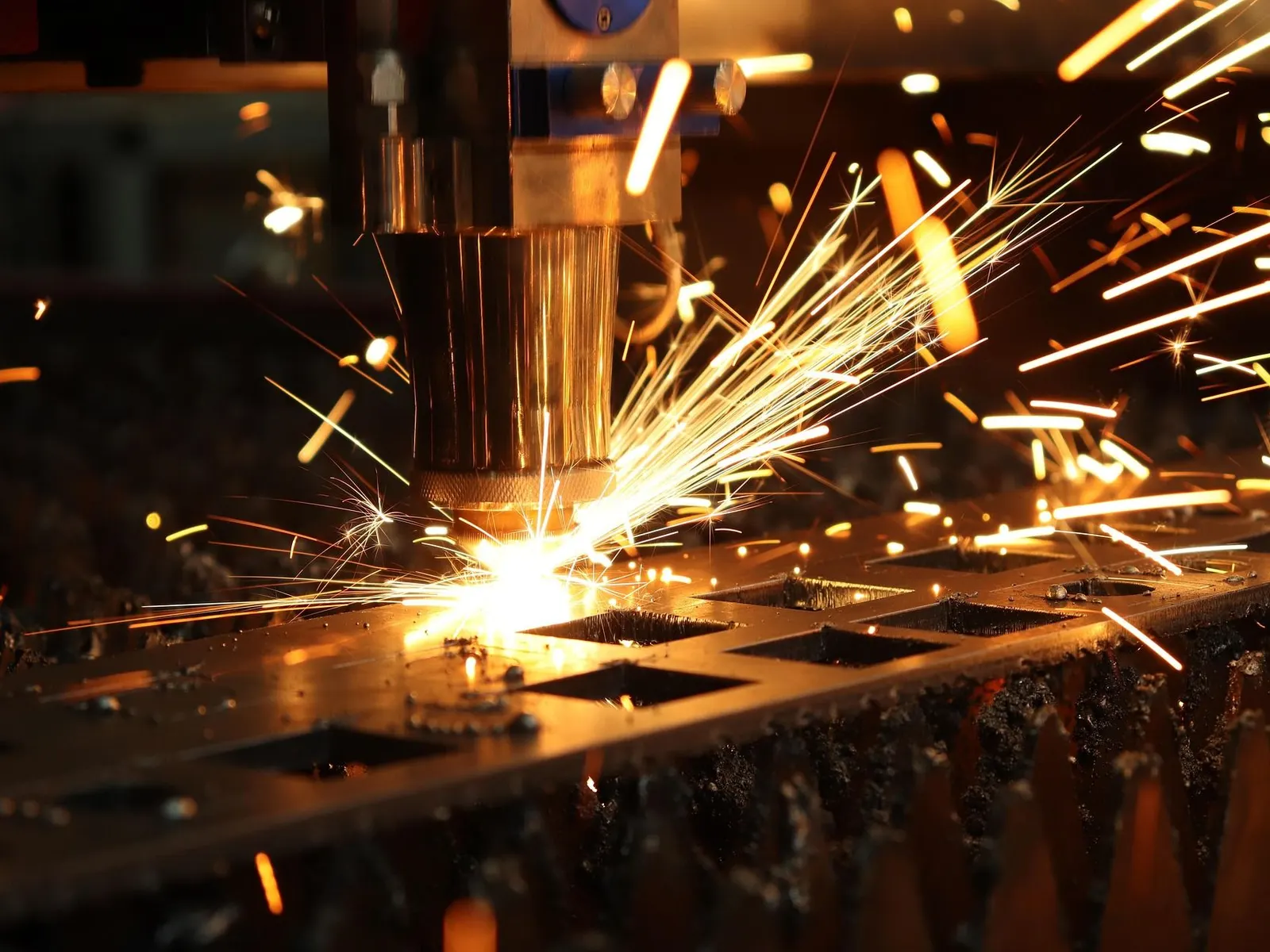
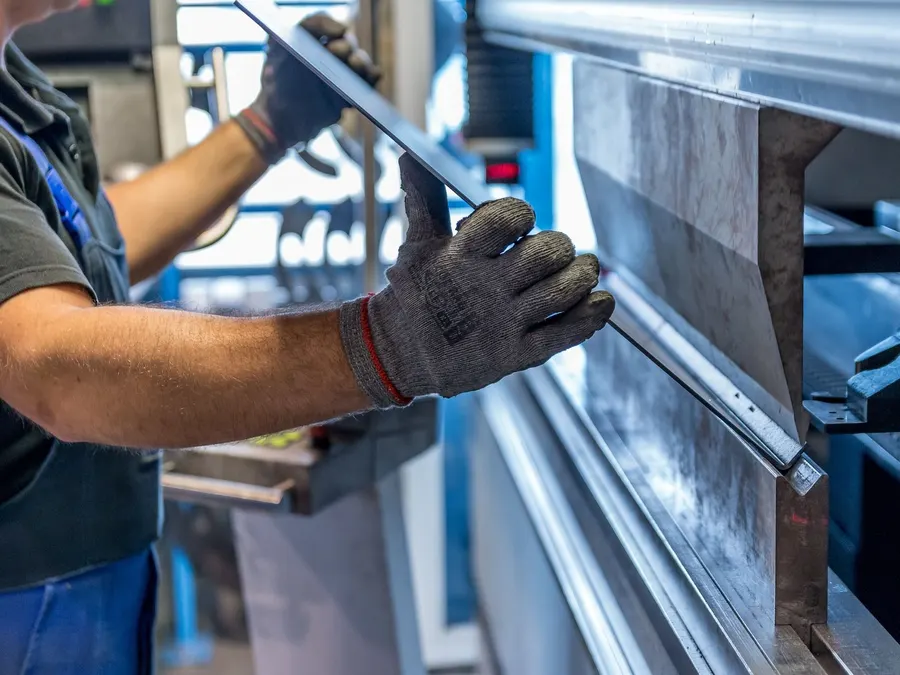
Laser and bend. Four parts nested on one sheet format; bend sequence checked for tool collisions on the door return flange.
Press-in nuts, coat, assemble. M5 nuts pressed before coating, masked during powder coating; hinges and seal fitted.
First article. Dimensional report on 12 marked features, coating thickness and colour check. Batch released after approval.
Call-offs. Fixed batch of 50, called off with a two-week horizon.
Route card · demonstration
What changed in review
M5 insert moved from 3.0 to 5.5 mm from bend line.
Welded corner replaced by folded corner with relief.
Tolerances: ISO 2768-m general, ±0.2 mm on hinge holes only.
No cost or lead-time effects are claimed: this is an illustration of the review method.